
Water damage can sneak up on homeowners in ways that are both costly and frustrating. From leaking appliances to natural flooding, the effects can range from minor dampness to structural deterioration. Knowing what to do and when can make a significant difference in minimizing damage and restoring your home to a livable condition. At EcoDry Water Damage Restoration Houston, we aim to inform and guide homeowners through every step of this critical process.
Understanding the Causes of Water Damage
Water damage originates from a wide variety of sources. Some are gradual and hidden, while others are sudden and obvious. Here are the most common culprits:
1. Plumbing Failures
Burst pipes, leaking joints, and corroded water lines are frequent contributors. These failures may begin as slow drips that go unnoticed for weeks or months.
2. Appliance Leaks
Dishwashers, washing machines, refrigerators, and water heaters are common household appliances that can spring leaks.
3. Roof and Window Leaks
Cracks, missing shingles, and improper sealing around windows allow rainwater to enter the home.
4. HVAC and Drainage Issues
Poorly maintained air conditioning units and clogged drains can result in moisture accumulation and water damage.
5. Flooding and Storms
Heavy rains and hurricanes, which are not uncommon in Houston, can overwhelm both home structures and municipal drainage systems.
Immediate Steps to Take After Water Damage
When you discover water damage in your home, taking the right steps immediately can help limit the destruction and start the recovery process.
1. Stop the Source
The first thing to do is stop the water from entering your home. Shut off the main water supply if the problem is internal.
2. Turn Off Power
If the water level is significant, turn off the electricity to avoid hazards.
3. Remove Excess Water
Use towels, mops, or a wet vacuum to remove as much water as possible. The goal is to reduce standing water quickly.
4. Move Belongings
Relocate items like furniture, electronics, and rugs to a dry area to prevent further damage.
5. Call a Professional
For more extensive issues, professional water damage restoration services are often necessary to ensure complete recovery.
Water Extraction: Why It Matters
Water extraction is the first major step in professional restoration. This process involves removing all standing water using industrial equipment like submersible pumps and high-powered vacuums.
Key Benefits:
- Prevents mold growth
- Reduces drying time
- Stops further deterioration of materials
- Creates a safer environment
Proper water extraction ensures that no hidden pockets of water remain behind walls or under flooring, where they could lead to future issues.
Drying and Dehumidification Process
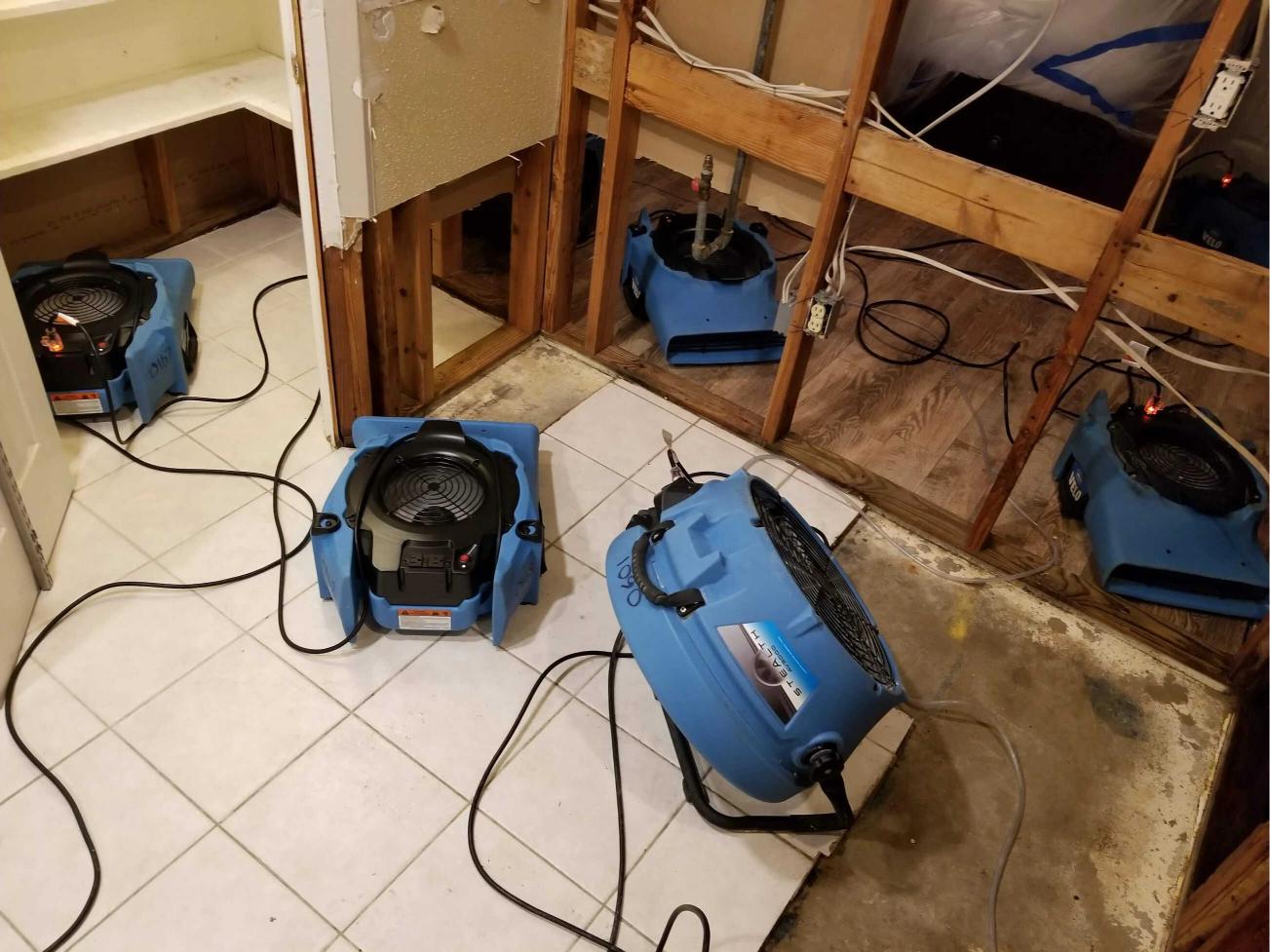
After water extraction, your home still holds a lot of moisture. This is where drying and dehumidification come into play.
Tools Used:
- Air movers to circulate air
- Dehumidifiers to extract moisture from the air
- Moisture meters to track drying progress
Drying and dehumidification help prevent swelling, warping, and mold growth, which can begin within 24 to 48 hours of water exposure.
Mold Remediation: Acting Quickly is Critical
Mold thrives in damp environments and can begin growing in as little as 24 hours. It’s not just unsightly—it poses health risks, especially for individuals with allergies or respiratory conditions.
Signs of Mold:
- Musty odor
- Visible spots on walls, ceilings, or floors
- Increased allergy symptoms among occupants
Mold Remediation Process:
- Isolate the affected area
- Remove contaminated materials
- Clean and treat surfaces with antifungal agents
- Use air scrubbers and HEPA filters to capture spores
Early mold remediation protects both your home and your health.
Structural Repairs and Material Replacement
Water damage often affects structural components of the home like drywall, insulation, flooring, and support beams.
Common Repairs Include:
- Replacing drywall and insulation
- Removing and reinstalling damaged flooring
- Repairing or rebuilding wooden framing
- Painting and refinishing surfaces
Professional assessments ensure that all compromised materials are properly addressed, preventing future issues and restoring the integrity of your home.
Preventive Tips to Avoid Future Water Damage
While you can’t control natural disasters, you can take steps to protect your home from preventable water damage.
Regular Maintenance:
- Inspect plumbing regularly
- Replace aging appliances
- Clean gutters and downspouts
- Seal windows and doors properly
Install Smart Devices:
- Water leak detectors
- Sump pump alarms
- Automatic shut-off valves
Landscaping:
- Ensure the ground slopes away from your home
- Use gravel and vegetation that promote drainage
Being proactive is one of the most effective ways to reduce long-term damage and avoid the stress of major repairs.
Choosing a Restoration Service That Handles It All
When water damage occurs, choosing a team that offers a comprehensive approach to restoration makes the recovery process smoother. Look for services that handle everything from water extraction and drying to mold remediation and structural repair.
EcoDry Water Damage Restoration Houston provides full-service restoration tailored to each situation. With attention to detail and customer-focused service, we aim to restore both comfort and safety to your home.
Final Thoughts: Long-Term Solutions Start with Immediate Action
Water damage doesn’t wait, and neither should your response. By taking immediate steps and understanding the full restoration process, homeowners can reduce long-term risks and restore their property effectively.
From water extraction and drying to mold remediation and structural repairs, every phase is essential. If you’re facing water damage in Houston, calling on experienced help like EcoDry Water Damage Restoration Houston can help ensure your home recovers fully.
Contact EcoDry Water Damage Restoration Houston Today
Phone: 346-517-8150
Business Hours: Monday to Sunday, 08:00 AM to 08:00 PM

