
Water damage is one of the most disruptive issues homeowners and property managers can face. Whether triggered by flooding, burst pipes, roof leaks, or hidden plumbing problems, water damage can impact the safety, structure, and livability of any property. It often begins subtly but can escalate quickly into widespread destruction if left unaddressed. That’s why a comprehensive restoration approach is necessary—and it all begins with understanding the process from dehumidification to full repairs.
At EcoDry Water Damage Restoration Houston, we provide a structured and complete solution for handling water damage from start to finish. This blog explores every critical step in the restoration process, explaining how professional techniques ensure your home is thoroughly restored.
Understanding Water Damage: The Hidden Risks
Water damage doesn’t just mean wet carpets or stained ceilings. The real threat lies beneath the surface. Excess moisture can compromise drywall, warp wood, short-circuit electrical systems, and breed mold in unseen places. Quick action is important, but so is a step-by-step plan to completely address the damage.
Common causes of water damage include:
- Flooding from storms or heavy rainfall
- Broken or leaking pipes
- Appliance malfunctions (dishwashers, washing machines, water heaters)
- Sewage backups
- HVAC condensation issues
While some homeowners try to tackle these problems on their own, the risks of overlooking crucial steps—like proper drying or mold inspection—can lead to long-term issues.
Step 1: Water Extraction
The first and most immediate need is removing standing water. Whether the water is ankle-deep or just enough to soak your carpet, extraction is key. Without it, the damage will only spread.
Methods used in water extraction include:
- Submersible pumps for large volumes of water
- Industrial wet vacuums for smaller or localized areas
- Water sensors and meters to detect hidden moisture pockets
By using professional-grade tools, EcoDry ensures thorough removal of both visible and hidden water, which prevents further damage to subflooring and building materials.
Step 2: Drying and Dehumidification
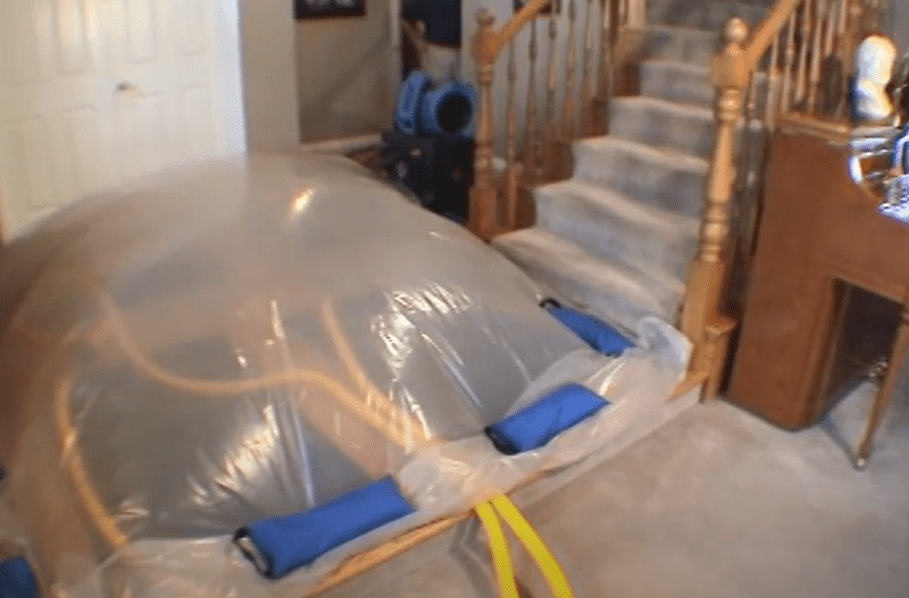
Once the standing water is extracted, the property might appear dry on the surface. However, moisture can remain trapped inside walls, floors, and furniture. This is where drying and dehumidification come in.
The process involves:
- High-capacity air movers to accelerate evaporation
- Industrial-grade dehumidifiers to pull moisture from the air and materials
- Moisture meters to monitor progress
Drying is crucial for avoiding warped wood, weakened structures, and potential mold growth. Properly executed drying and dehumidification set the stage for safe reconstruction.
Step 3: Mold Inspection and Remediation
Mold can begin growing within 24-48 hours of water exposure. Even when water appears to be gone, damp environments invite mold spores to spread. This not only threatens the structure of your home but can also lead to respiratory issues, allergic reactions, and other health problems.
Effective mold remediation includes:
- Inspection and moisture mapping
- Isolation of affected areas to prevent cross-contamination
- HEPA air filtration to capture mold spores
- Removal and disposal of contaminated materials
- Antimicrobial cleaning and disinfection
Partnering with EcoDry ensures mold problems are addressed thoroughly, reducing future health risks.
Step 4: Cleaning and Sanitizing
Water damage affects more than just the structure. Personal belongings, furniture, carpets, and clothing can all be impacted. Cleaning and sanitizing help restore not just the building but also what’s inside.
Restoration cleaning may involve:
- Wet or dry cleaning for fabrics
- Odor removal using fogging equipment
- Disinfection of non-porous surfaces
- Content packing and inventory for items needing off-site restoration
We approach each item with care and use methods suited to the specific type of material and contamination level.
Step 5: Structural Repairs and Reconstruction
After moisture, mold, and contamination are removed, the final stage involves restoring the affected area to its original condition. This might involve light repairs or extensive rebuilding, depending on the severity of the damage.
Repair services often include:
- Drywall replacement
- Flooring repairs or replacements (tile, hardwood, carpet)
- Painting and finishing
- Plumbing or electrical component repair
- Reconstructing damaged walls, ceilings, or cabinets
EcoDry Water Damage Restoration Houston coordinates every repair detail to ensure your property feels like home again.
Benefits of a Full-Service Restoration Approach
Trying to tackle water damage piecemeal or through multiple contractors can lead to delays, inconsistencies, and missed problems. A complete restoration service handles everything under one coordinated process, saving time and reducing complications.
Some key benefits include:
- Accurate moisture tracking and control
- Preventative steps to avoid secondary damage
- Reduced chances of mold recurrence
- Streamlined project management
- Safe, efficient repairs with minimal disruption
The Importance of Acting Quickly
Water damage restoration is not just about cleanup—it’s about taking the right steps in the right order. Delaying any phase, from extraction to repair, gives water more time to damage insulation, subfloors, and load-bearing structures.
Here’s what happens when you delay restoration:
- Wood swells and warps
- Drywall begins to disintegrate
- Electrical systems become dangerous
- Mold spreads throughout HVAC systems
- Structural damage becomes more extensive
Early action and a full-scope approach can make a difference in costs, recovery time, and long-term safety.
Why Professional Restoration Services Make the Difference
Water damage restoration is a complex process that requires more than just drying out a space. It demands professional-grade tools, moisture monitoring expertise, and a clear restoration plan.
EcoDry brings value through:
- Trained restoration teams
- Advanced drying and dehumidification equipment
- Mold remediation expertise
- Comprehensive repair capabilities
- Personalized restoration strategies for each property
Our process ensures that no step is skipped, and no damage goes unnoticed. From the initial water removal to the last coat of paint, we take care of every stage with precision.
Common Mistakes Homeowners Make During DIY Water Restoration
Homeowners trying to manage water damage on their own often face long-term setbacks due to lack of knowledge or equipment. Here are a few common mistakes to avoid:
- Using fans only: Fans might dry the surface but won’t remove deep moisture.
- Ignoring hidden areas: Moisture behind walls, under floorboards, or inside insulation continues to damage the home.
- Not detecting mold early: Without proper inspection, mold can spread undetected.
- Skipping sanitization: Water damage often introduces bacteria, especially from gray or black water sources.
- Starting repairs too soon: Rebuilding before complete drying can trap moisture and create future problems.
Final Thoughts: From Damage to Recovery with EcoDry Houston
Water damage can feel overwhelming, but with the right process and restoration team, your property can fully recover. At EcoDry Water Damage Restoration Houston, we handle every phase of restoration with care, knowledge, and precision—from water extraction to structural repairs.
Ignoring or minimizing water damage can lead to long-term issues that are far more costly and difficult to resolve. Instead, take control with a proven restoration process designed to protect your property and restore peace of mind.
For comprehensive water damage help in Houston, call EcoDry Water Damage Restoration Houston at 346-517-8150.
We’re available seven days a week from 08:00 AM to 08:00 PM and ready to guide you through every step of the restoration journey—from dehumidification to full repairs.

